Have you been thinking about upgrading a bike with the 48V1000W Electric Fat Bike Rear Motor Kit 20×4.0 inch Double Wall Rim TFT Color Display 175 Dropout Waterproof kit and wondering if it’s the right choice for your build?

Product overview
I want to be direct about what this kit is and who it’s for. The 48V1000W Electric Fat Bike Rear Motor Kit is a rear hub conversion package aimed at riders who want a powerful, waterproof, high-torque e-bike setup for fat-tire bikes with 20×4.0 inch wheels. I’ll walk through the components, the practical implications of the specs, and how it performs in everyday riding situations.
Quick features summary
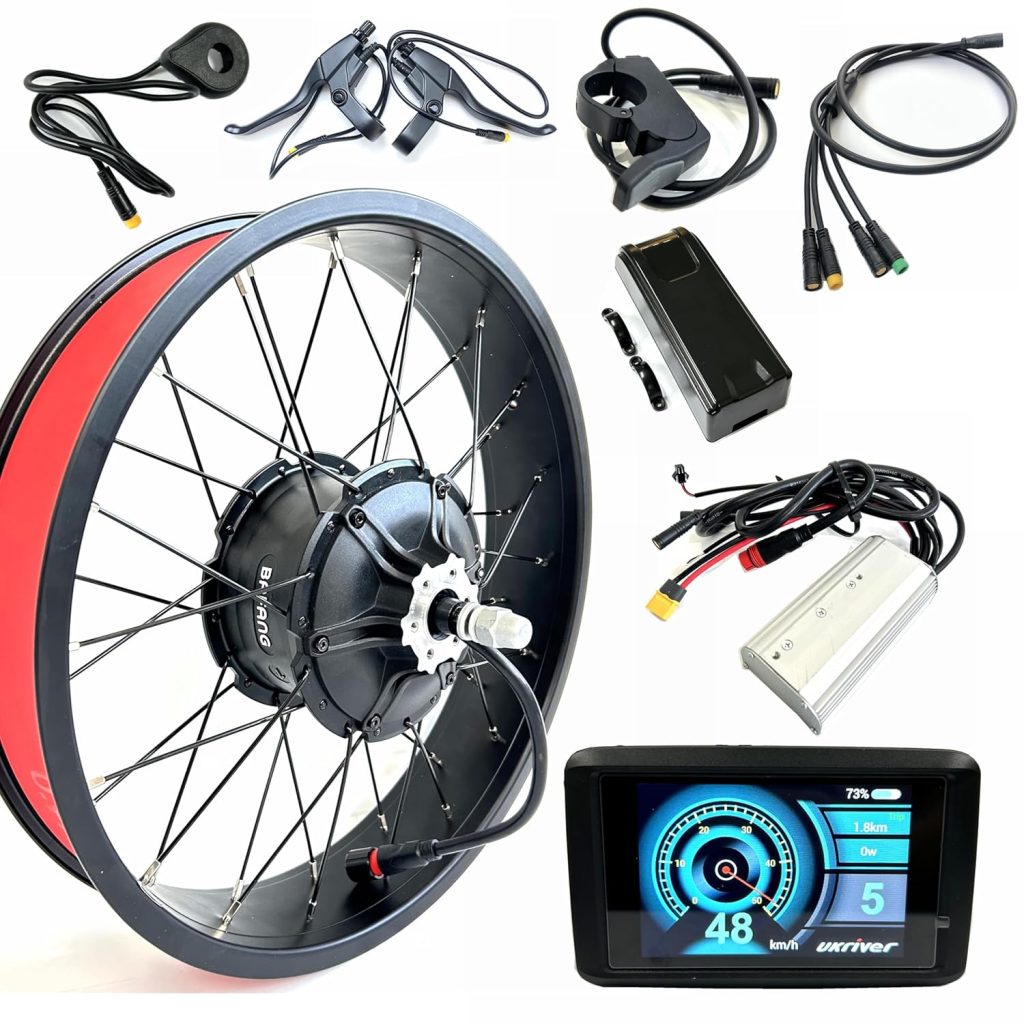
I like to have the essentials up front so I can judge fitment and compatibility quickly. This kit centers on a geared 48V 1000W rear hub motor with a sinewave controller and a full set of user controls and sensors. The kit is missing the battery, so you’ll need to source a compatible pack separately.

48V1000W Electric Fat Bike Rear Motor Kit 20x4.0 inch Double Wall Rim TFT Color Display 175 Dropout Waterproof kit
Technical specifications (at-a-glance)
I created a compact table so you can scan the most important specifications quickly. This helps me check compatibility with my frame and expected use before committing to purchase.
| Item | Specification / Notes |
|---|---|
| Motor Type | 48V 1000W geared rear hub motor |
| Wheel Size | 20 x 4.0 inch (fat bike) |
| Rim Type | Double wall rim (stronger than single wall) |
| Spokes | Stainless steel, 12GA |
| Brake Type | Disc brake compatible |
| Freewheel | 7-speed freewheel included (7S) |
| Controller | Sinewave controller, potted, waterproof, max 33A |
| Controller Size | 122 mm x 63 mm x 34 mm |
| Display | TFT color display included |
| Sensors/Controls | PAS sensor, thumb throttle, e‑brake cutoffs |
| Wiring | 1-to-4 wiring harness included |
| Extras | Controller box/case included; tools included |
| Battery | Not included — recommended: 48V battery with 40A BMS |
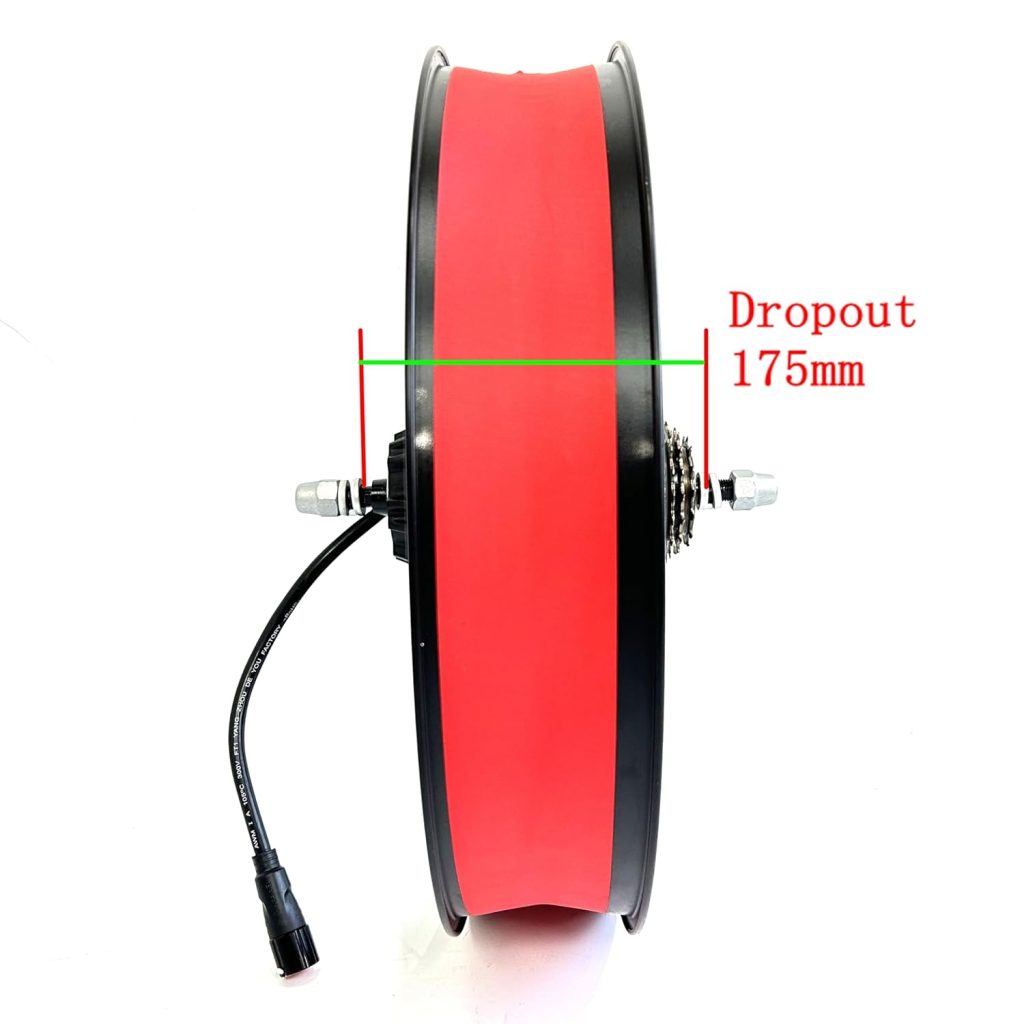
| Dropout Spacing | 175 mm (ensure frame compatibility) |
| Waterproofing | Controller potted and claimed waterproof |
I find tables like this useful when I’m comparing several kits to see which one fits my frame and riding style.

What’s in the box
I always check the packing list carefully because missing parts can derail a build. This kit includes the motor-laced wheel, TFT color display, sinewave controller, PAS sensor, thumb throttle, electronic brake levers (e-brakes), a 1T4 wiring harness, a 7-speed freewheel, rotor and basic tools. The battery is explicitly not included.
I make a point of verifying that the basic consumables I’ll need—like rim tape (it says tape is on), axle nuts, and connectors—are present so I don’t get stuck mid-install.
Packaging and initial impressions
I’m looking for sturdy packaging that protects the wheel and controller during shipping. The motor wheel should arrive with the rim taped, spokes tensioned, and the motor shell free of major dents or scratches. The controller being potted and inside a case is a plus for durability.
I always test the display and throttle for basic responsiveness before final installation. It saves time troubleshooting later.
Build quality and components
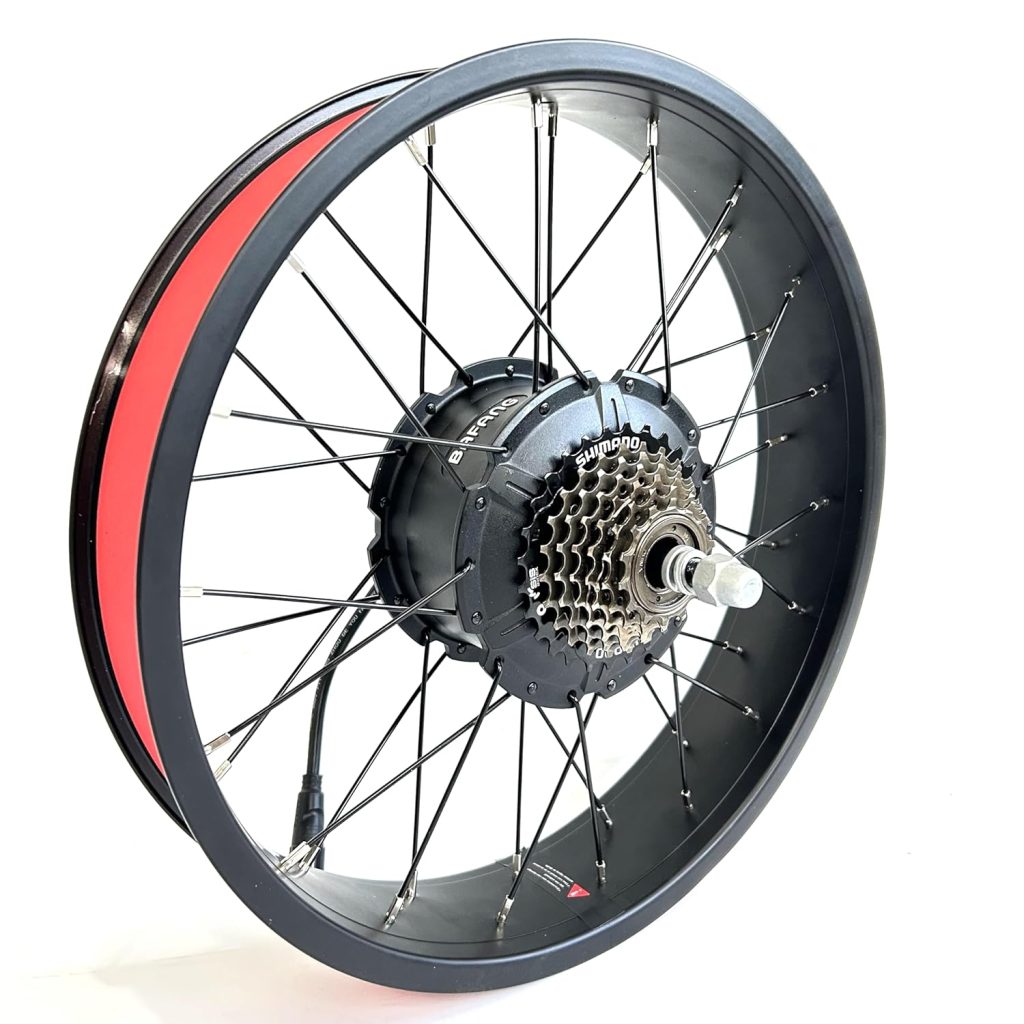
I pay attention to mechanical and electrical build quality because those two factors determine long-term reliability. The double wall rim and 12GA stainless spokes suggest a wheel built to handle heavier loads and rough terrain, which is exactly what I want from a fat bike wheel.
The motor is a geared hub, which tends to give better low-speed torque and hill-climbing ability than direct-drive hubs of the same nominal wattage. The controller is potted and waterproofed, which is excellent for wet conditions, and the included TFT display makes it easier to monitor system status.
Motor details and gearing
I like geared hub motors for their immediate torque and lighter rotational inertia compared with direct drive motors. This 1000W rated geared motor should give strong acceleration and the ability to climb moderate grades without overworking the rider or the controller.
I also note that geared motors have internal planetary gears and usually require periodic gear oil or care on heavy loads, but their compactness and torque at low RPMs make them ideal for fat-tire applications where traction and grunt matter more than top-end efficiency.
Wheel, rim, and spokes
I appreciate that the rim is double wall, which is significantly stronger than single-wall rims when used with fat tires. The stainless steel 12GA spokes are fairly thick and should be durable; I would still check spoke tension after a few hundred miles.
I notice the wheel is taped on, suggesting tubeless-ready preparation; however, I would confirm whether tubeless valves and sealant are required if I want to run tubeless setup.
Controller and electronics
A sinewave controller generally provides smoother and quieter motor control than a square-wave controller. The specification of “48V voltage maximum 33Amp” means the controller is engineered to handle a fairly high current—so it can sustain substantial power output when paired with a capable battery.
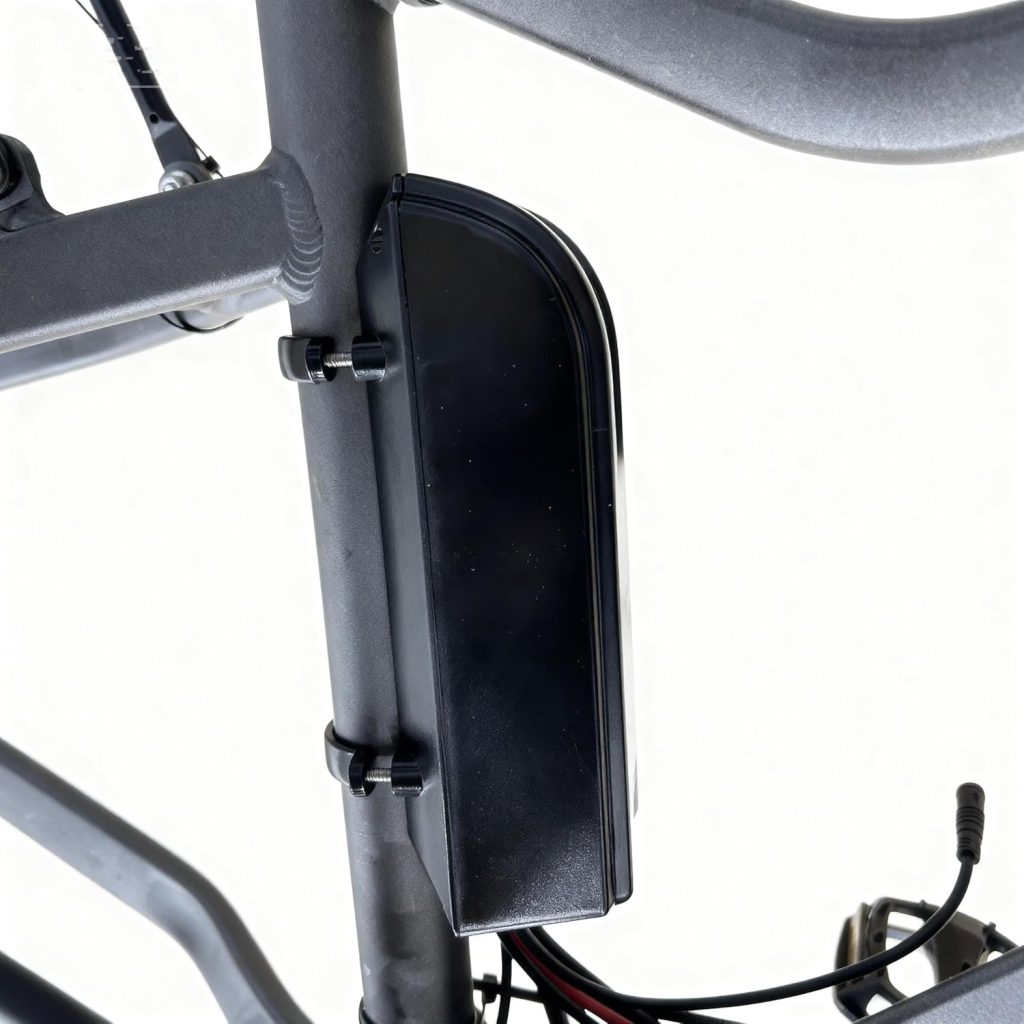
I also like that the controller is potted (encased in epoxy) and comes in a controller box; that boosts waterproofing and longevity, though it does make internal servicing or diagnostics harder.
Installation and fitment
I always measure my frame and dropouts before ordering any hub. This kit specifies a 175 mm dropout, so I confirm my frame’s rear spacing, axle type, and clearance for a 20×4.0 tire.
I also think about brake rotor alignment, chainline (or freewheel compatibility), and whether my frame requires torque arms to resist motor torque. If I’m using rim brakes, this kit is for disc brakes only, so I need a disc-compatible frame.
Dropout spacing and axle considerations
I recommend measuring from inner face to inner face of your rear dropouts to ensure 175 mm clearance. If your frame uses a different spacing (e.g., 135 mm or 170 mm), you’ll need adapters or a frame modification.
I always install torque arms on a powerful rear hub motor because the axle can exert strong rotational force; torque arms prevent axle twist and protect the dropout from damage.
Brake compatibility and rotor fitment
The kit includes a rotor and a 7-speed freewheel. I check whether my caliper mounts and rotor size match—I may need to adapt or swap calipers/rotors to get correct alignment. If my bike uses a post-mount caliper, I ensure I have the adapter for the rotor diameter supplied.
I also make sure the e-brake levers supplied are compatible with my hydraulic or mechanical brake system; if I have hydraulic brakes, I’ll install the e-brake cutoff switches in parallel with the hydraulic lever switch or use an adapter.
Controller, display, and user interface
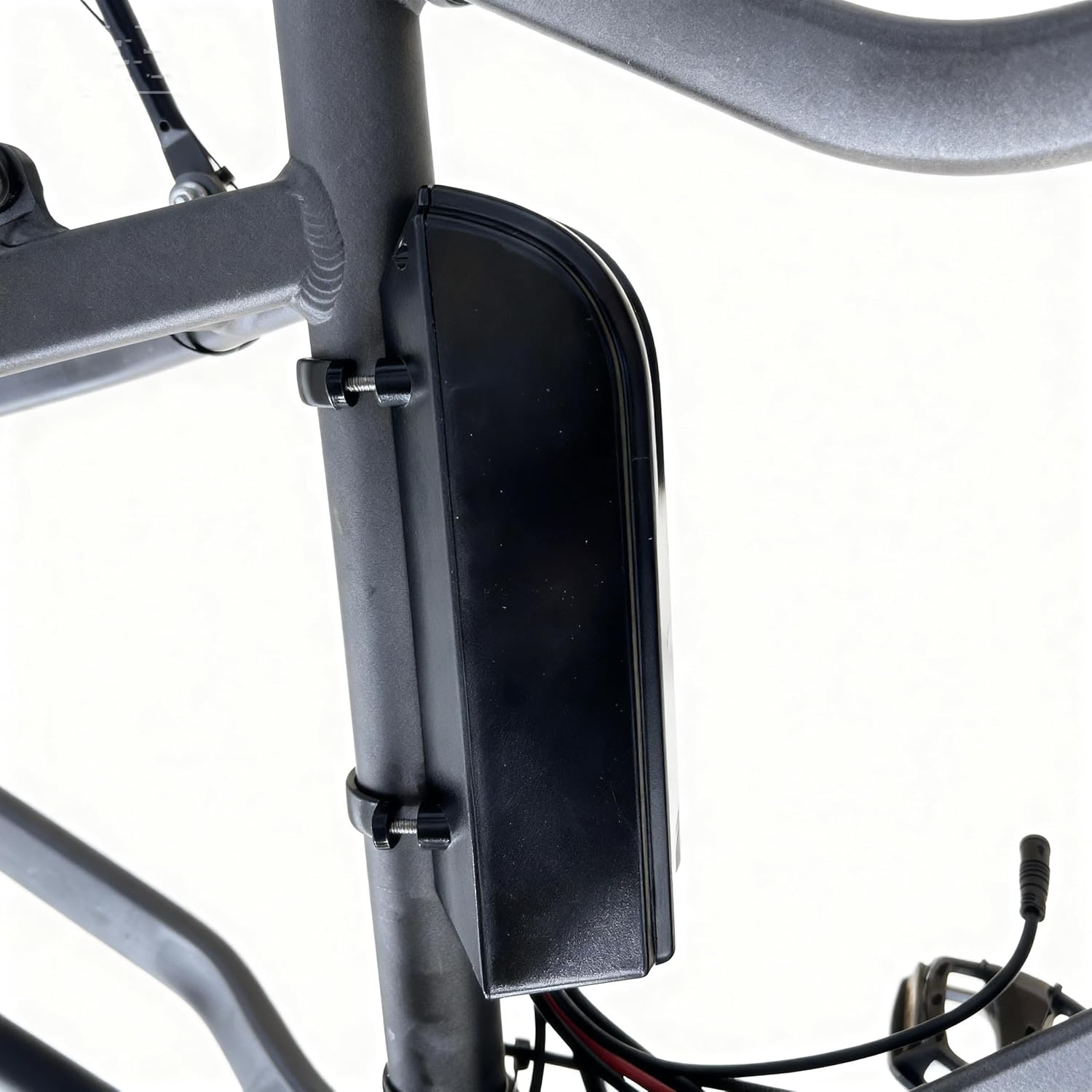
I value a display that’s readable and provides necessary diagnostics. The TFT color display included here should be easy to read in daylight and show speed, PAS level, battery status, and error codes. The 1-to-4 wiring harness simplifies connections to the throttle, PAS, and brake cutoffs.
I always test the controller wiring connections for secure fit and make sure connectors are sealed with dielectric grease if I expect prolonged wet use.
Sinewave controller characteristics
Sinewave controllers are quieter and smoother; I appreciate the calmer motor noise and less vibration at low speeds. The 33A maximum current rating gives me confidence the kit can handle heavier loads and more aggressive throttle inputs without overheating quickly—provided I pair it with a battery that can supply high continuous current.
I like that the controller is potted and housed; however, because it’s sealed, I can’t easily open it to repair, so I keep an eye on external wiring, fuses, and connectors for issues.
TFT display functions and usability
The TFT display should show speed, assist level, battery voltage/percentage, and ideally a trip odometer. I expect basic configuration options like PAS sensitivity and wheel size calibration. The color readout helps with quick glances during a ride.
I always set the correct wheel circumference and check that the speed reading is accurate by comparing to a GPS device or smartphone app.
Throttle, PAS sensor, and e-brakes
Practical controls matter for the ride feel. The kit includes a thumb throttle, a PAS (pedal assist sensor), and e-brake cutoffs. I find having both throttle and PAS gives me flexibility for different riding modes—manual throttle for short bursts and PAS for sustained assistance while pedaling.
I pay close attention to the compatibility of the PAS sensor with my cranks and how the sensor is mounted, because misaligned or loosely mounted PAS sensors can cause hesitation or false cutouts.
Throttle ergonomics and responsiveness
A thumb throttle is convenient for short, controlled bursts of power. I check whether the throttle travel is smooth and if the hub responds linearly to my thumb input. If it’s either too abrupt or too laggy, I adjust the controller settings if available.
I also make sure the throttle is positioned comfortably on my handlebars and that cable routing won’t interfere with steering.
PAS calibration and cadence sensing
I prefer PAS as the primary assist source because it complements pedaling and conserves battery. That said, PAS systems vary—some are torque-sensing, others cadence-sensing. This kit includes a PAS sensor (typically cadence), so I set the number of magnets correctly and test responsiveness across gears.
I always re-index the sensor so it doesn’t produce jerky engagement—smooth, predictable PAS makes for a much better riding experience.
Performance on road and trail
I’m looking for reliability and strong real-world power from a 1000W hub on a fat-tire 20×4.0 wheel. Expect strong acceleration, excellent traction on loose surfaces (sand, snow, mud), and good climbing ability. The fat tire paired with a geared hub gives me confidence when climbing and starting on slippery grades.
I don’t expect breakneck top speeds for sustained highway riding, but for urban and off-road applications the motor’s torque is more valuable than top-end speed.
Acceleration and hill climbing
I appreciate the quick takeoff courtesy of a geared hub. When starting from a stop or launching on a steep trail, the torque is immediate and helps me maintain control on loose surfaces.
I recommend gearing and pedaling strategy for long climbs—use a lower PAS level and combine pedaling to reduce battery draw while retaining momentum.
Handling and weight distribution
Mounting a motor in the rear hub changes handling subtly, making the rear end heavier. I adapt by moving my weight forward slightly when climbing and paying attention to steering inputs when riding technical singletrack.
The large, soft fat tire helps absorb impacts and smooths the ride; however, the heavier wheel will affect agility and quick steering corrections.
Battery and range considerations
This kit requires a separate 48V battery and the manufacturer suggests using a battery with a 40A BMS. I take that as advice to choose a battery capable of delivering high continuous discharge to support the motor under load. For range, battery capacity (Ah) and riding style are the main variables.
I typically recommend a battery that matches the controller’s potential draw—40A continuous BMS at 48V gives a good margin for a 1000W motor under heavier use.
Recommended battery specs
I prefer a 48V battery with at least a 40A continuous discharge capability and robust BMS. For practical range, here are ballpark estimates I use as guidance:
- 48V 10Ah (480 Wh): short-range, aggressive use — maybe 10–20 miles depending on assist and terrain.
- 48V 15Ah (720 Wh): moderate-range — roughly 20–40 miles with mixed assist and moderate terrain.
- 48V 20Ah (960 Wh): long-range — 30–60+ miles on conservative assist levels and flat terrain.
I state these as estimates because factors like rider weight, terrain, assist level, and throttle use heavily influence real-world range.
Why a 40A BMS is suggested
I agree with the recommendation for a 40A BMS because the controller can demand up to 33A; having headroom reduces BMS stress and heat, and supports occasional current spikes without frequent cutouts. It also extends component longevity when the battery can comfortably supply the current required.
Compatibility and what to check before buying
I always run a compatibility checklist before adding a kit to my cart. For this kit, I confirm rear dropout spacing (175 mm), rotor and caliper fitment, freewheel thread compatibility, and clearance for a 20×4.0 tire. I also make sure my frame can handle the axle forces and that I have room for the controller box.
I recommend double-checking axle nut size and whether your dropouts are reinforced for powered wheels; if not, plan to install torque arms.
Freewheel and gearing compatibility
A 7-speed freewheel is included, but you need to ensure your chain and derailleur setup are compatible. If you have a cassette-style hub or different thread pitch, you may need to swap the freewheel or change components accordingly.
I test-fit the freewheel and check shifting across the cassette; sometimes derailleur limit screws require adjustment after installation.
Physical clearance and chainline
I make sure the 20×4.0 tire clears my chainstays and seatstays and that the chainline is acceptable for smooth shifting. Adjustments may be needed to the wheel dish or spacers to achieve a proper chainline.
Maintenance and common troubleshooting
I expect to perform periodic maintenance on every e-bike system, and this kit is no different. I plan to check spoke tension, monitor controller heat, keep electrical connectors clean, and inspect the motor area for unusual noise or play.
I also keep an eye on PAS sensor alignment and brake cutoff function to avoid sudden power loss while riding.
Routine checks and upkeep
I usually re-tension spokes after the first 50–100 miles, inspect the rim tape and tire seal, and tighten axle nuts and torque arms. I also wipe down electrical connectors and add dielectric grease on exposed plugs.
Lubricating the freewheel threads and checking for motor bearing play are small steps that prevent bigger issues later.
Troubleshooting tips
If I experience inconsistent PAS or throttle response, I unplug and re-plug connectors to check contact integrity. For error codes on the display, I consult the manual or look up code meanings online. If the motor cuts out during high load, I verify battery voltage sag and BMS cutoffs—often the battery is the weak link, not the motor.
If the controller overheats, I reduce continuous load or improve airflow around the controller enclosure.
Safety, legal, and rider responsibility
I respect local laws regarding e-bike power limits and speed classes. A 1000W motor may exceed legal limits for certain classes or jurisdictions, so I handle this kit with awareness of regulations and the need for safe operation.
I always wear protective gear (helmet, gloves) and ride conservatively until I’m familiar with the motor’s acceleration and handling differences.
Legal considerations
I verify local rules for maximum allowable motor power and top speeds for e-bikes, especially on public roads and multi-use paths. If the kit’s power rating exceeds local e-bike definitions, I consider limiting top speed or ensuring I ride on private property or trails where higher-powered e-bikes are allowed.
I also remember that insurance and liabilities can be affected by higher-powered modifications.
Safe installation practices
I always use torque arms on rear hub motors, check axle nuts for correct torque, and ensure wiring is routed without rubbing or pinch points. I secure the controller box with vibration-isolating mounts where possible.
I perform a careful test ride at low speed in a safe area before going further afield.
Pros and cons
I weigh pros and cons to give a balanced view and help decide if this kit matches my needs.
Pros:
- Strong torque and acceleration from the 48V 1000W geared motor.
- Double wall rim and 12GA stainless spokes offer robust wheel strength for heavier loads.
- Sinewave controller reduces noise and provides smoother motor control.
- TFT color display and included throttle/PAS/e-brakes give a complete user interface.
- Potted, waterproof controller and controller case improve durability for wet conditions.
Cons:
- Dropout spacing of 175 mm is non-standard for some bikes; compatibility must be confirmed.
- Battery not included; requires separate purchase of an appropriate 48V battery with a 40A BMS.
- Potted controller means limited serviceability if internal components fail.
- Additional adapters or torque arms may be required for safe installation.
- Potentially heavier wheel assembly affects handling and agility.
I aim to provide a realistic sense of trade-offs so I (or you) can decide whether the extra power and ruggedness are worth the extra installation care.
Who this kit is best for
I think this kit suits riders who want a robust, high-torque rear hub solution for off-road and utility riding on fat bikes. If you value traction in sand, snow, or soft dirt and want quick acceleration, this kit is a solid choice.
I don’t recommend it for riders who need a lightweight commuter bike or who have strict local legal limits on e-bike power. It’s also not ideal for frames that cannot accommodate the 175 mm spacing without modifications.
Ideal use cases
I recommend this kit for:
- Trail and beach riding where fat tires excel.
- Cargo or utility builds that need extra torque to carry loads.
- Riders who want a strong throttle option for technical starts and climbs.
I would not recommend it for minimalist road or speed-focused builds where top speed and low weight are priorities.
Final verdict and buying tips
Overall, I find the 48V1000W Electric Fat Bike Rear Motor Kit 20×4.0 inch Double Wall Rim TFT Color Display 175 Dropout Waterproof kit to be a compelling package for fat bike conversions that demand power and durability. The mix of a geared motor, sturdy wheel components, sinewave controller, and a complete control set makes it a practical and powerful upgrade.
I advise prospective buyers to measure their frame’s dropout spacing, plan for a battery with a 40A BMS, include torque arms in the installation, and be prepared to perform routine maintenance. If you value off-road capability and torque over minimal weight, this kit is worth serious consideration.
Final purchase checklist
Before I buy, I confirm:
- The rear dropout spacing on my frame is 175 mm or adaptable.
- I have or will purchase a 48V battery with at least a 40A BMS and sufficient capacity for my desired range.
- My brakes and rotor sizes are compatible, or I have adapters available.
- I have torque arms or plan to weld/add reinforcement to dropouts if needed.
- I’m comfortable with some basic mechanical and electrical installation tasks or have a shop that can install it.
I hope this review helps you decide whether the kit suits your build and riding goals. If you want, I can help you pick a battery, suggest torque arm options, or outline a step-by-step installation plan tailored to your frame.

Disclosure: As an Amazon Associate, I earn from qualifying purchases.